care
The 2026 Guide to Phased Hair Color Correction: Preserving Lipid Layers
Discover the professional approach to phased color correction in 2026, focusing on structural integrity and the preservation of vital hair lipids.
Affiliate Disclosure
Lustre & Strand is reader-supported. When you purchase through links on this page, we may earn an affiliate commission at no additional cost to you. Our recommendations are editorially independent — we never accept paid placements.
Introduction to Phased Color Correction
Color correction is perhaps the most demanding technical service in modern trichology and cosmetology. In 2026, the shift has moved decisively away from 'single-session transformations' toward phased, intentional color correction. This approach prioritizes the long-term health of the hair cortex and the critical lipid barriers that maintain moisture retention. When transitioning from dark, level-1 box-dye or stubborn semi-permanent pigments, the structural integrity of the hair shaft must be the primary metric for success.
Understanding the Lipid Barrier
The hair cuticle is protected by a thin layer of 18-methyl eicosanoic acid (18-MEA), a fatty acid that functions as a natural hydrophobic barrier. Harsh lightening agents strip these lipids, leaving the hair porous and susceptible to protein loss. Our phased approach to correction relies on low-and-slow lifting techniques.
The Science of Phased Lifting
- Phase 1: Surface Pigment Reduction: Utilizing mild acidic cleansers to gently displace excess pigment without disturbing the cuticle.
- Phase 2: Bond Maintenance: Integrating cross-linking technologies that support the hair while lightening.
- Phase 3: Tonal Balancing: Returning the hair to a neutral state using deposit-only color.
Comparison of Correction Methodologies
| Feature | Traditional Blitz Correction | Phased 2026 Methodology | | :--- | :--- | :--- | | Session Count | Single Session | 3-4 Sessions | | Lipid Retention | Low | High | | Structural Bond Damage | High | Minimal | | Maintenance Difficulty | Extreme | Manageable |
Professional Note: The most frequent error in DIY correction is the misuse of high-volume developers, which essentially liquefies the hair’s internal keratin structure. Always favor a 10-volume developer and patience over a 40-volume developer and speed.
Essential Products for Repair
To manage the porosity levels during correction, you must rely on high-grade bond-building agents. We recommend incorporating the WellaPlex No. 2 Bond Perfector into every chemical service. To explore more essential chemistry-based treatments, you can browse all recommended products in our shop.
The Role of Post-Correction Care
After the lifting process is complete, the hair's pH is significantly altered. A neutralizer is necessary to re-seal the cuticle. Utilizing a professional-grade treatment post-salon visit is essential to maintain the integrity of the work performed. Regular upkeep will define the longevity of your new color. For more expert insights into styling and care, visit our master guides section.
Conclusion
By choosing a phased correction model, you are investing in the longevity of your hair. Quality hair care is not just about the immediate aesthetic result, but about the condition of the fiber months after the service. Patience is the ultimate luxury in hair fashion.
Continue Reading
Related Guides

care
The 2026 Guide to Peptide-Infused Hair Repair: Restoring Structural Resilience
Discover how bio-active peptide chains are revolutionizing hair recovery by reinforcing the internal cortex and preventing mechanical breakage.
care
12 Hair Oils Ranked by a Trichologist
From argan to marula — which oils actually penetrate the cortex and which just sit on the surface.
care
The Definitive Curly Hair Care Routine
LOC vs. LCO methods, the best sulfate-free shampoos, and curl-defining techniques that actually last.
Editor-Recommended Products
Based on our research for this guide, these are the products we recommend checking out.

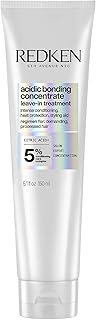


Affiliate links — we may earn a commission at no extra cost to you.
Special Offers
Sponsored Offer
Amazon Prime — 30-Day Free Trial
Free 2-day shipping on all your hair essentials, plus Prime Video and exclusive deals on extensions, wigs, and styling tools.
Try Prime FreeSponsored Offer
Audible — 3 Months Free
Listen to hair care audiobooks and podcasts while you style. Perfect for long styling sessions. Cancel anytime.
Get Audible FreeAs an Amazon Associate, we earn from qualifying purchases and bounty referrals.
Affiliate Disclosure
Lustre & Strand is reader-supported. When you buy through links on our site, we may earn an affiliate commission at no additional cost to you. All recommendations are editorially independent — we never accept paid product placements.