care
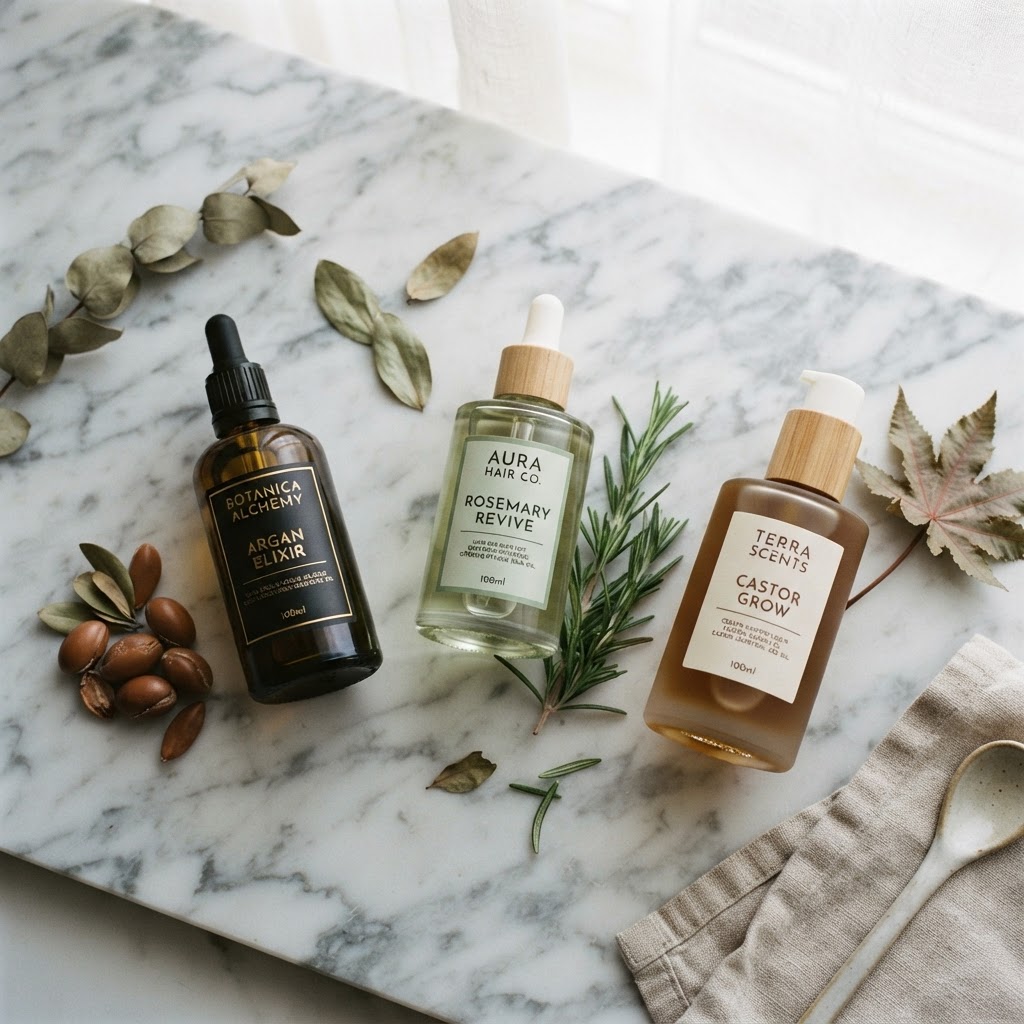
12 Hair Oils Ranked by a Trichologist
From argan to marula — which oils actually penetrate the cortex and which just sit on the surface.
Affiliate Disclosure
Lustre & Strand is reader-supported. When you purchase through links on this page, we may earn an affiliate commission at no additional cost to you. Our recommendations are editorially independent — we never accept paid placements.
Not All Oils Are Created Equal
The hair oil market is saturated with claims of miraculous transformation. But trichological research reveals a critical distinction: some oils penetrate the hair shaft, while others merely coat the surface.
Penetrating vs. Coating Oils
Penetrating oils have a molecular structure small enough to pass through the cuticle and enter the cortex. They actually strengthen hair from within. If you want to pair these with professional-grade bonding products for extra strength, you might consider Redken Acidic Bonding Concentrate or Olaplex No.3 Hair Perfector.
Coating oils sit on the cuticle surface, creating shine and reducing friction but providing no internal strengthening. Products like Moroccanoil Treatment Original are excellent for this surface-level finish and frizz control.
The Rankings
| Rank | Oil | Type | Best For | Score | |------|-----|------|----------|-------| | 1 | Coconut Oil | Penetrating | All types, esp. damaged | 9.4/10 | | 2 | Argan Oil | Both | Frizz control, shine | 9.1/10 | | 3 | Olive Oil | Penetrating | Dry, coarse hair | 8.8/10 | | 4 | Avocado Oil | Penetrating | Thick, natural hair | 8.6/10 | | 5 | Jojoba Oil | Coating | Oily scalp balance | 8.4/10 | | 6 | Marula Oil | Coating | Fine hair, lightweight | 8.2/10 | | 7 | Castor Oil | Coating | Scalp health | 7.9/10 | | 8 | Grapeseed Oil | Coating | Heat protection | 7.7/10 | | 9 | Sunflower Oil | Penetrating | Color protection | 7.5/10 | | 10 | Sweet Almond Oil | Coating | Sensitive scalp | 7.3/10 | | 11 | Rosehip Oil | Coating | Scalp conditions | 7.0/10 | | 12 | Mineral Oil | Coating | Sealing moisture | 6.5/10 |
Key Finding: Coconut oil's lauric acid has the highest affinity for hair protein of any oil tested. It reduces protein loss by 39% when applied before washing.
How to Use Hair Oils Correctly
The most common mistake is applying oil to dry hair and expecting it to moisturize. Oil seals moisture — it doesn't provide it. For an effective routine, ensure your hair is properly cleaned first with a high-quality product like Pureology Hydrate Shampoo.
The correct sequence:
- Apply water or a water-based leave-in first
- Apply oil to seal the moisture in
- For penetrating oils: apply to damp hair 30 minutes before washing
Our Recommendation
Keep two oils in rotation: coconut oil as a pre-wash treatment (penetrating benefit) and argan oil as a daily finishing oil (surface benefit). This two-oil system covers both internal strengthening and external protection. If you find your hair needs additional scalp support, you can also incorporate Mielle Rosemary Mint Scalp & Hair Strengthening Oil into your weekly regimen.
Frequently Asked Questions
Q: What is the primary difference between penetrating and coating oils?
Penetrating oils have a small molecular structure that enters the hair cortex to strengthen it from within, while coating oils sit on the surface to add shine and reduce friction.
Q: Should I apply hair oil to dry or damp hair?
Always apply oil to damp hair or after using a water-based product. Oils seal in existing moisture; they do not provide hydration themselves.
Q: Which oil is best for strengthening damaged hair?
Coconut oil is the top-ranked choice for damaged hair because its lauric acid has a unique affinity for hair protein, significantly reducing protein loss during washes.
Q: How can I incorporate multiple oils into my hair care routine?
The expert recommendation is a two-oil system: use a penetrating oil like coconut oil as a pre-wash treatment, and a coating oil like argan oil as a daily finisher.
Q: Which oil is best for balancing an oily scalp?
Jojoba oil is highly recommended for those with an oily scalp as it is a lightweight coating oil that helps balance sebum production.
Continue Reading
Related Guides

Editor-Recommended Products
Based on our research for this guide, these are the products we recommend checking out.



Affiliate links — we may earn a commission at no extra cost to you.
Special Offers
Sponsored Offer
Amazon Prime — 30-Day Free Trial
Free 2-day shipping on all your hair essentials, plus Prime Video and exclusive deals on extensions, wigs, and styling tools.
Try Prime FreeSponsored Offer
Audible — 3 Months Free
Listen to hair care audiobooks and podcasts while you style. Perfect for long styling sessions. Cancel anytime.
Get Audible FreeAs an Amazon Associate, we earn from qualifying purchases and bounty referrals.
Affiliate Disclosure
Lustre & Strand is reader-supported. When you buy through links on our site, we may earn an affiliate commission at no additional cost to you. All recommendations are editorially independent — we never accept paid product placements.