care
The 2026 Guide to Gloss-Lamination: Achieving Mirror-Like Shine
Discover the science behind hair lamination, a professional-grade technique designed to seal the cuticle and lock in glass-like luminosity.
Affiliate Disclosure
Lustre & Strand is reader-supported. When you purchase through links on this page, we may earn an affiliate commission at no additional cost to you. Our recommendations are editorially independent — we never accept paid placements.
The Science of Light Reflection
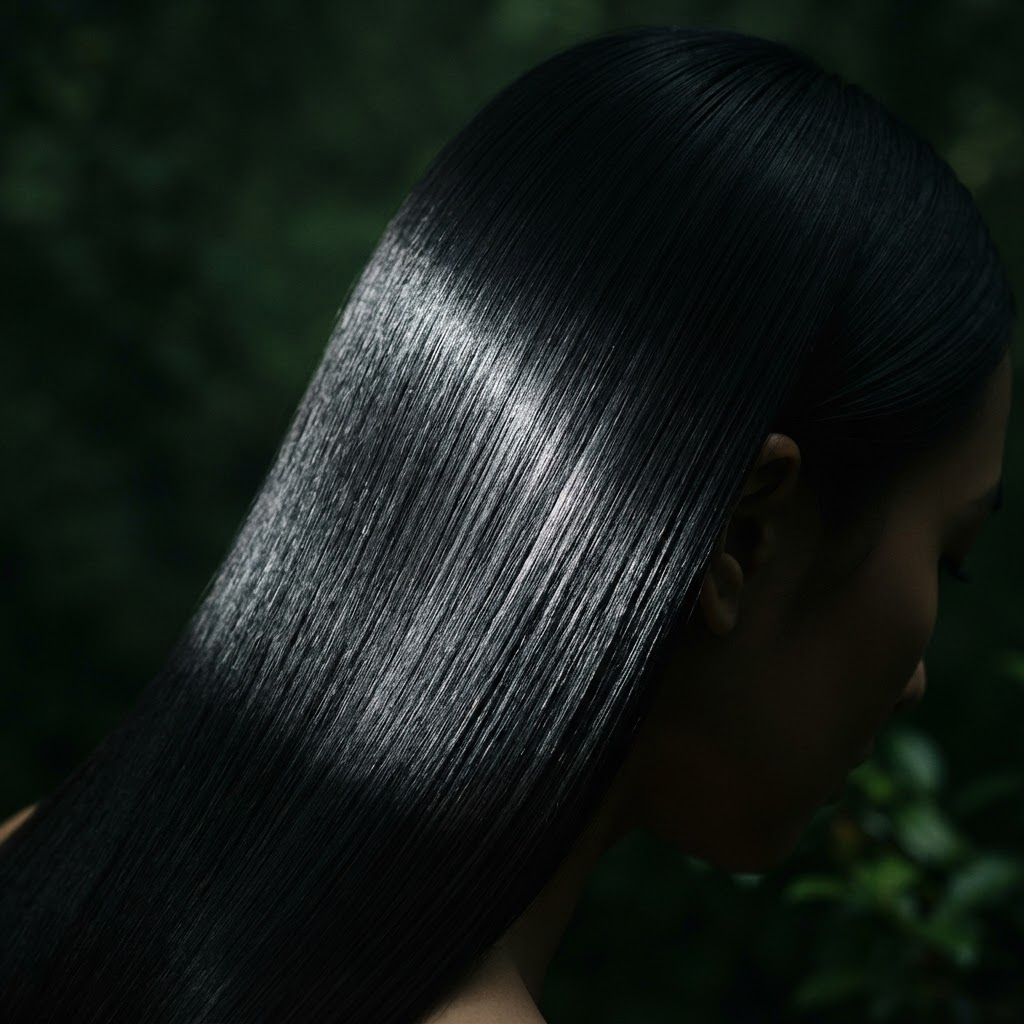
Hair shine is fundamentally a function of light physics. When the hair cuticle lies perfectly flat, light reflects off the surface like a polished mirror. Conversely, damaged or raised cuticles scatter light, resulting in a dull, matte appearance. Gloss-lamination is the process of depositing a high-refractive-index film over the hair shaft to smooth the topography of the cuticle.
Why Lamination is Not Just Conditioning
Unlike traditional deep conditioners that focus on lipid replenishment, lamination uses acidic pH-balancing polymers to create a semi-permanent barrier. This creates a hydrophobic surface that repels humidity, the primary enemy of shine. For those seeking professional results, we often recommend the L'Oréal Professionnel Serie Expert Metal Detox Mask as a foundational treatment to remove copper deposits before the lamination step.
| Feature | Traditional Gloss | Hair Lamination | | :--- | :--- | :--- | | Longevity | 2-3 Weeks | 6-8 Weeks | | Coating Type | Surface Film | Structural Sealant | | Heat Activation | Optional | Required | | Primary Benefit | Tonal Correction | Mirror-Like Reflection |
Professional Note: Lamination is not a chemical straightener. While it smooths the appearance of the hair, it does not permanently break disulfide bonds. It is a surface-level physical treatment.
Step-by-Step Lamination Routine
- Chelating Wash: Remove heavy metal deposits from tap water.
- Acidic Pre-Treatment: Prime the hair at a pH of 4.5.
- Lamination Application: Evenly distribute your chosen sealant, ensuring total saturation.
- Thermal Activation: Use a low-heat tool to set the polymers into the cuticle.
Troubleshooting Common Issues
If your hair feels stiff after lamination, you have likely applied too much product. Lamination works best on medium-to-coarse textures. If you have thin, fragile hair, consult our full shop for lightweight alternatives. For maintenance, a high-quality sealant is essential to extend your results. We suggest incorporating the L'Oréal Professionnel Serie Expert Metal Detox Mask into your bi-weekly routine to prevent oxidative stress from dulling your finish. Always refer to our hair care section for further guidance on maintaining the integrity of your cuticle layer.
Continue Reading
Related Guides

care
The 2026 Guide to Electrolytic Hair Smoothing: Advanced Frizz Control
Discover how electrolytic smoothing technology balances ionic charges to eliminate frizz and restore long-term hair manageability in our 2026 expert guide.

care
The 2026 Guide to Peptide-Infused Hair Repair: Restoring Structural Resilience
Discover how bio-active peptide chains are revolutionizing hair recovery by reinforcing the internal cortex and preventing mechanical breakage.

care
The 2026 Guide to Phased Hair Color Correction: Preserving Lipid Layers
Discover the professional approach to phased color correction in 2026, focusing on structural integrity and the preservation of vital hair lipids.
Editor-Recommended Products
Based on our research for this guide, these are the products we recommend checking out.

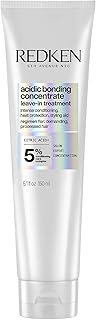
Affiliate links — we may earn a commission at no extra cost to you.
Special Offers
Sponsored Offer
Amazon Prime — 30-Day Free Trial
Free 2-day shipping on all your hair essentials, plus Prime Video and exclusive deals on extensions, wigs, and styling tools.
Try Prime FreeSponsored Offer
Audible — 3 Months Free
Listen to hair care audiobooks and podcasts while you style. Perfect for long styling sessions. Cancel anytime.
Get Audible FreeAs an Amazon Associate, we earn from qualifying purchases and bounty referrals.
Affiliate Disclosure
Lustre & Strand is reader-supported. When you buy through links on our site, we may earn an affiliate commission at no additional cost to you. All recommendations are editorially independent — we never accept paid product placements.