
care
The 2026 Guide to Peptide-Infused Hair Repair: Restoring Structural Resilience
Discover how bio-active peptide chains are revolutionizing hair recovery by reinforcing the internal cortex and preventing mechanical breakage.
Affiliate Disclosure
Lustre & Strand is reader-supported. When you purchase through links on this page, we may earn an affiliate commission at no additional cost to you. Our recommendations are editorially independent — we never accept paid placements.
Understanding the Structural Crisis
The hair shaft is a complex architecture of keratinized proteins held together by disulfide, hydrogen, and ionic bonds. Over time, environmental stressors, chemical processing, and thermal abuse degrade these proteins, leading to a loss of tensile strength. In 2026, the shift in hair science has moved away from surface-level silicone coating toward bio-mimetic restoration via peptide infusion.
What are Bio-Active Peptides?
Peptides are short chains of amino acids that act as the 'building blocks' of protein. Unlike large-molecule proteins that sit on the cuticle, low-molecular-weight peptides can penetrate the cortex to fill structural voids. This is essential for hair that has undergone bleaching or frequent heat styling, which effectively 'hollows out' the hair strand.
| Feature | Conventional Conditioners | Peptide-Infused Systems | | :--- | :--- | :--- | | Penetration | Surface-level only | Deep cortical absorption | | Primary Goal | Detangling/Lubrication | Structural reinforcement | | Duration of Effect | Temporary (next wash) | Cumulative (bonding) | | Best For | Mild dryness | Chemically damaged hair |
The Mechanism of Peptide Bonding
When you apply a specialized peptide-infused repair treatment, you are initiating a molecular repair process. These peptides mimic the natural sequence of human hair keratin, allowing them to 'anchor' themselves into the broken disulfide bridges. For those struggling with extreme fragility, we suggest browsing our full shop for professional-grade bonding agents that prioritize molecular integrity.
Clinical Note: Peptide technology is most effective when applied to clean, damp hair. The presence of heavy oils or silicone films can inhibit the absorption of these smaller molecules, rendering them ineffective. Always clarify the scalp and strands before a high-intensity repair treatment.
Incorporating Peptides into Your Routine
- Clarification: Remove product buildup to ensure a clear pathway for peptides.
- Application: Use a targeted K18 Leave-In Molecular Repair Hair Mask on mid-lengths to ends.
- Wait Time: Do not rush the processing; peptides require time to orient themselves within the hair architecture.
- Thermal Seal: A gentle blow-dry can sometimes assist in the alignment of the peptides along the keratin chains.
Long-Term Maintenance
Repair is not a one-time event but a consistent cycle. Over-processing can lead to hair 'fatigue,' where the hair becomes brittle from too much protein. It is crucial to balance your peptide treatments with deep hydration masks to maintain the internal moisture balance of the cortex. For more information on professional care, see our comprehensive hair care guide.
Continue Reading
Related Guides

care
The 2026 Guide to Phased Hair Color Correction: Preserving Lipid Layers
Discover the professional approach to phased color correction in 2026, focusing on structural integrity and the preservation of vital hair lipids.
care
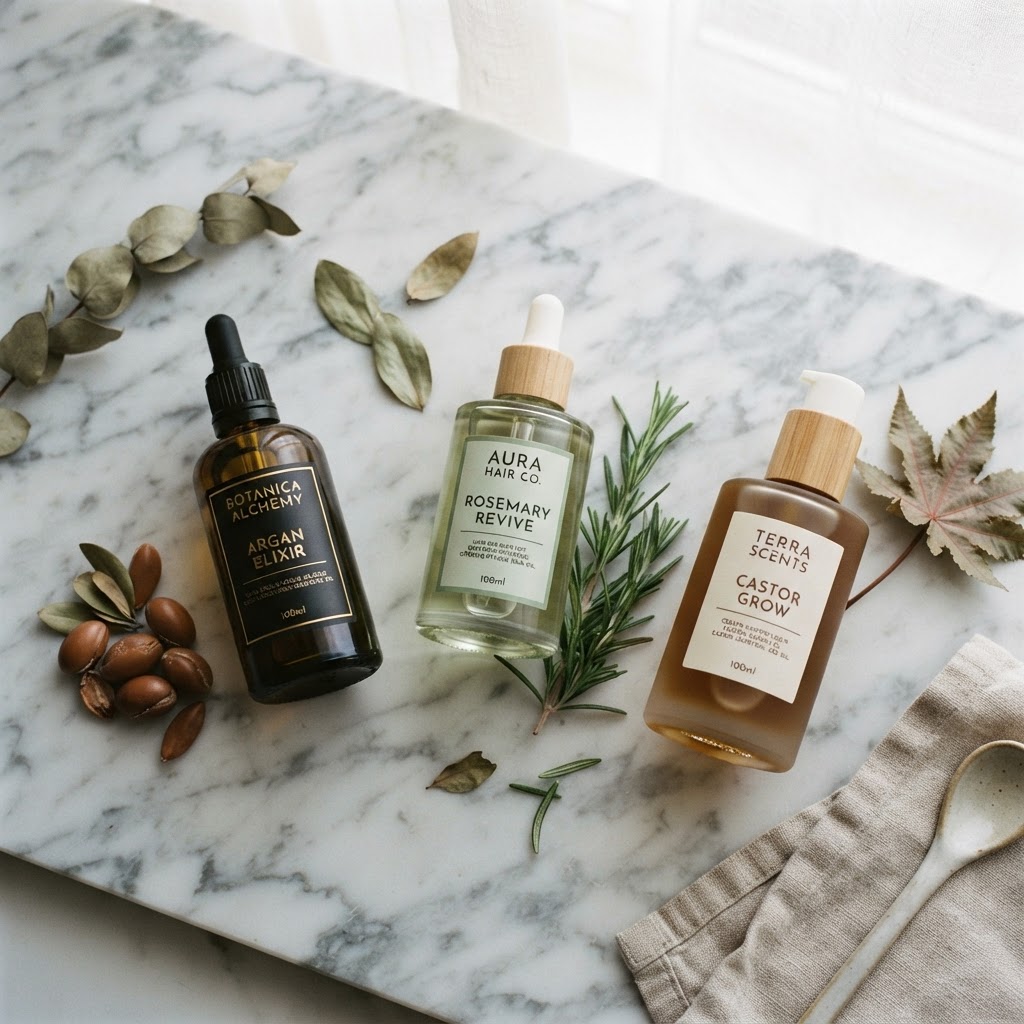
12 Hair Oils Ranked by a Trichologist
From argan to marula — which oils actually penetrate the cortex and which just sit on the surface.

care
The Definitive Curly Hair Care Routine
LOC vs. LCO methods, the best sulfate-free shampoos, and curl-defining techniques that actually last.
Editor-Recommended Products
Based on our research for this guide, these are the products we recommend checking out.

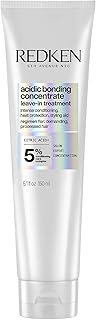


Affiliate links — we may earn a commission at no extra cost to you.
Special Offers
Sponsored Offer
Amazon Prime — 30-Day Free Trial
Free 2-day shipping on all your hair essentials, plus Prime Video and exclusive deals on extensions, wigs, and styling tools.
Try Prime FreeSponsored Offer
Audible — 3 Months Free
Listen to hair care audiobooks and podcasts while you style. Perfect for long styling sessions. Cancel anytime.
Get Audible FreeAs an Amazon Associate, we earn from qualifying purchases and bounty referrals.
Affiliate Disclosure
Lustre & Strand is reader-supported. When you buy through links on our site, we may earn an affiliate commission at no additional cost to you. All recommendations are editorially independent — we never accept paid product placements.