care
The Definitive Curly Hair Care Routine
LOC vs. LCO methods, the best sulfate-free shampoos, and curl-defining techniques that actually last.
Affiliate Disclosure
Lustre & Strand is reader-supported. When you purchase through links on this page, we may earn an affiliate commission at no additional cost to you. Our recommendations are editorially independent — we never accept paid placements.
Embracing Your Curl Pattern
Curly hair isn't difficult hair — it's misunderstood hair. The fundamental mistake most curly-haired people make is treating their curls like straight hair with a problem. In reality, curly hair has different structural needs that, once met, produce stunning results with less effort than you'd expect.
Understanding Your Curl Type
| Type | Pattern | Characteristics | |------|---------|----------------| | 2A | Loose S-waves | Fine, easily straightened | | 2B | Defined S-waves | Medium texture, some frizz | | 2C | Deep S-waves | Thick, frizz-prone | | 3A | Loose spirals | Defined curls, springy | | 3B | Tight spirals | Volume, shrinkage | | 3C | Corkscrew curls | Dense, tight pattern | | 4A | Coil pattern | Defined coils, fragile | | 4B | Z-pattern | Tight zigzag, very fragile | | 4C | No defined pattern | Densest, most shrinkage |
The LOC Method
LOC stands for Liquid-Oil-Cream, applied in that order:
- Liquid: Water or a water-based leave-in conditioner
- Oil: A penetrating oil (coconut or argan) to seal moisture, such as the Moroccanoil Treatment Original
- Cream: A styling cream to define curls and hold
The LCO Method
LCO reverses the oil and cream steps:
- Liquid: Same as above
- Cream: Applied first to define and style
- Oil: Applied last to seal everything in
Which to choose: LOC works better for high-porosity hair (the oil seals moisture before the cream). LCO works better for low-porosity hair (the cream absorbs easier without an oil barrier).
Wash Day Protocol
- Pre-detangle with a wide-tooth comb and conditioner
- Cleanse with sulfate-free shampoo — scalp only, like Pureology Hydrate Shampoo
- Apply conditioner liberally — mid-lengths to ends
- Detangle in the shower with conditioner in
- Rinse with cool water to close cuticles
- Apply your LOC/LCO layers to soaking wet hair
- Style using scrunching, finger coiling, or a Diffuser Attachment Universal
- Don't touch until completely dry
Common Mistakes
- Towel-drying with terry cloth: Creates frizz. Use a microfiber towel or cotton t-shirt.
- Brushing dry curls: Disrupts curl clumps. Only detangle wet hair with conditioner.
- Over-washing: 1-2 times per week maximum. Co-wash between shampoo days.
- Skipping deep conditioning: Once per week minimum for types 3B and above. Consider using the Briogeo Don't Despair Repair Deep Conditioning Mask for optimal moisture.
Frequently Asked Questions
Q: How do I choose between the LOC and LCO methods?
Choose LOC if you have high-porosity hair to seal in moisture before applying styling products, or choose LCO if you have low-porosity hair to allow the cream to absorb before sealing with oil.
Q: Why shouldn't I brush my curly hair when it is dry?
Brushing dry curls disrupts the natural curl clumps and significantly increases frizz. Always detangle your hair while it is wet and saturated with conditioner.
Q: How often should I be washing my curly hair?
Limit shampooing to 1-2 times per week to avoid stripping natural oils. On off-days, use a co-wash to refresh your hair without over-cleansing.
Q: What is the best way to dry curly hair to avoid frizz?
Avoid using standard terry cloth towels. Instead, gently squeeze out excess water with a microfiber towel or an old cotton t-shirt, then finish with a diffuser attachment.
Q: Do I need to deep condition my hair?
Yes, especially if you have type 3B hair or higher. Deep conditioning at least once per week is essential for maintaining the intense moisture levels these curl patterns require.
Continue Reading
Related Guides
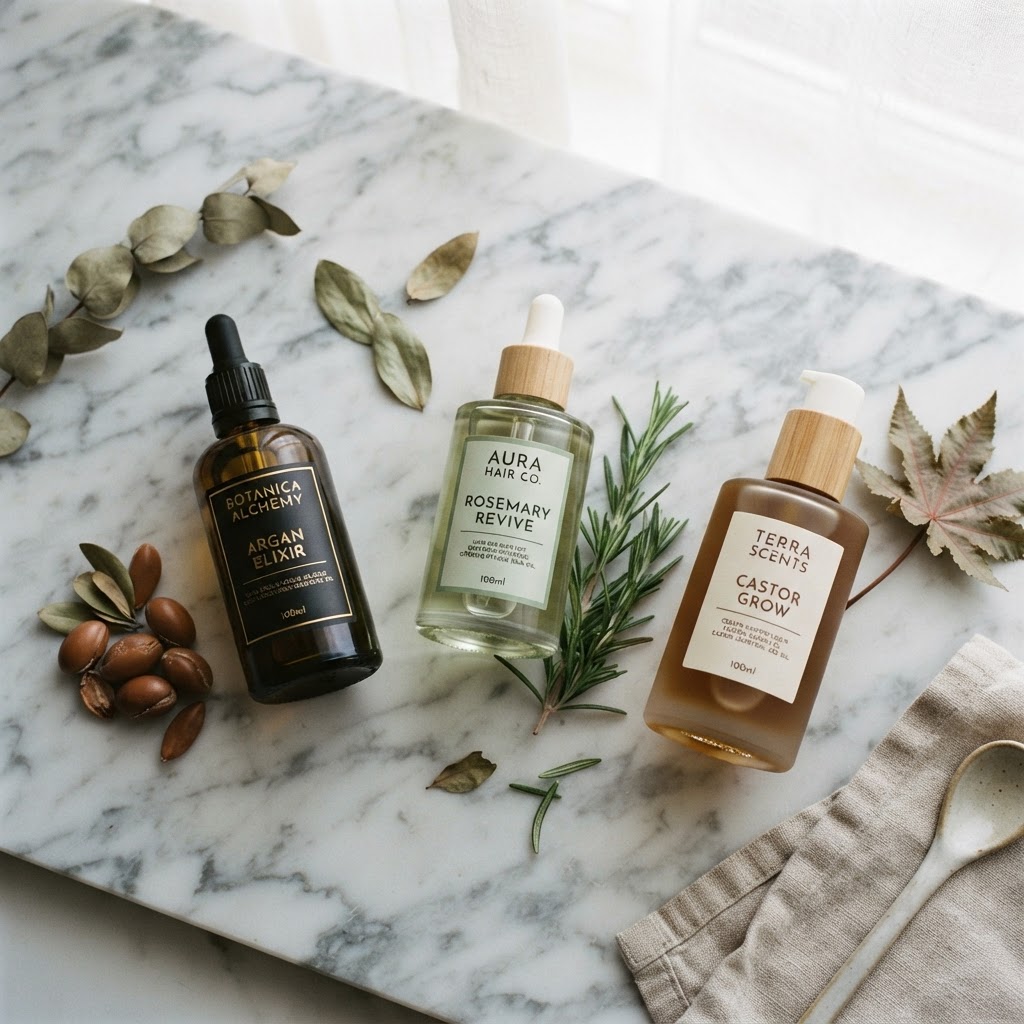
Editor-Recommended Products
Based on our research for this guide, these are the products we recommend checking out.

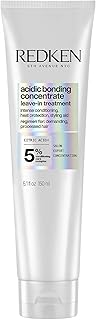


Affiliate links — we may earn a commission at no extra cost to you.
Special Offers
Sponsored Offer
Amazon Prime — 30-Day Free Trial
Free 2-day shipping on all your hair essentials, plus Prime Video and exclusive deals on extensions, wigs, and styling tools.
Try Prime FreeSponsored Offer
Audible — 3 Months Free
Listen to hair care audiobooks and podcasts while you style. Perfect for long styling sessions. Cancel anytime.
Get Audible FreeAs an Amazon Associate, we earn from qualifying purchases and bounty referrals.
Affiliate Disclosure
Lustre & Strand is reader-supported. When you buy through links on our site, we may earn an affiliate commission at no additional cost to you. All recommendations are editorially independent — we never accept paid product placements.