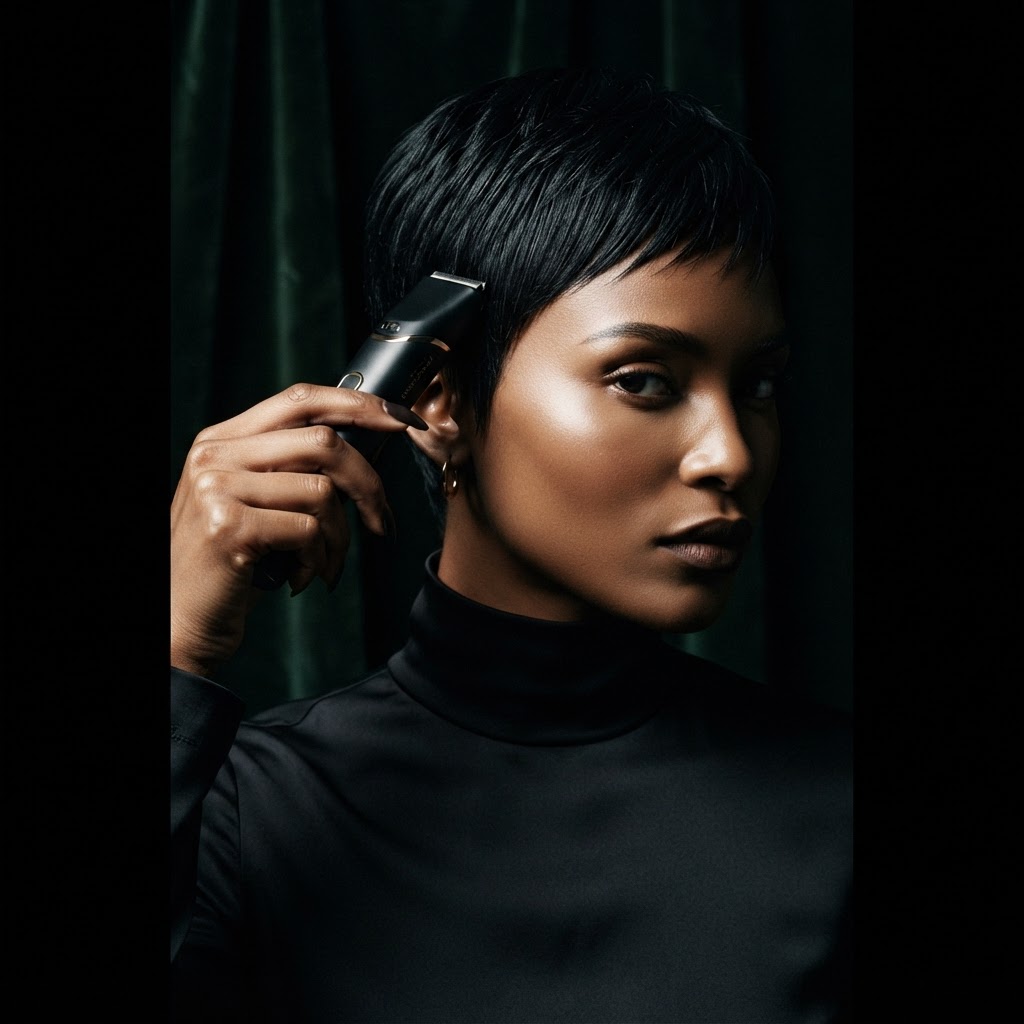
health
The 2026 Guide to Laser Comb Technology: Fact vs. Fiction in Hair Growth
Discover the truth behind low-level laser therapy (LLLT) and whether laser combs truly offer the scalp stimulation needed to combat hair thinning in 2026.
Affiliate Disclosure
Lustre & Strand is reader-supported. When you purchase through links on this page, we may earn an affiliate commission at no additional cost to you. Our recommendations are editorially independent — we never accept paid placements.
Introduction to Photobiomodulation
In the ever-evolving landscape of hair restoration, few tools have polarized both the medical community and the consumer market quite like the laser comb. As we navigate the technological landscape of 2026, it is essential to distinguish between clinical-grade photobiomodulation and the portable devices found in the home-care market. Low-level laser therapy (LLLT) operates on the principle of mitochondrial stimulation. By delivering specific wavelengths of light—typically in the 650-670 nanometer range—these devices aim to increase cellular metabolism and improve blood flow to the follicle.
The Science of Light and Follicles
When light energy is absorbed by the cytochrome c oxidase enzyme within the hair follicle's mitochondria, it triggers a cascade of physiological responses. This process, known as photobiomodulation, is hypothesized to stimulate the transition of follicles from the telogen (resting) phase back into the anagen (growth) phase. For those struggling with androgenetic alopecia, this energy boost can be the difference between latent miniaturization and active growth.
| Feature | Clinical Laser Panels | Home Laser Combs | Expected Results | | :--- | :--- | :--- | :--- | | Wavelength | 650nm (Fixed) | 650nm (Variable) | Cellular Stimulation | | Power Density | High (mW/cm²) | Low (mW/cm²) | Growth Acceleration | | Ease of Use | Low | High | Consistency |
Clinical Note: While LLLT is FDA-cleared for the treatment of pattern hair loss, success is highly dependent on patient compliance. A single session is insufficient; data suggest that minimum usage of 15-20 minutes, three times weekly, is required to see any discernible change in hair density over a 24-week period.
Integrating Laser Technology into Your Routine
For those seeking a comprehensive approach to scalp health, incorporating a high-quality device like the HairMax Ultima 9 Classic LaserComb can be a game-changer when paired with topical treatments. Because laser therapy does not rely on chemical pathways, it creates a unique synergy with peptide-based serums or anti-inflammatory scalp treatments found in our full shop.
Common Misconceptions
- Instant Results: Many consumers believe light therapy acts as an instant thickener. In reality, it acts on the growth cycle, which takes months to manifest.
- Frequency Equals Speed: Using the device more than recommended does not "supercharge" the follicles; it may actually cause thermal irritation.
- Universal Efficacy: LLLT is not a panacea for all hair loss types. It is specifically researched for androgenetic alopecia and is less effective for scarring alopecias.
If you are considering adding these tools to your regimen, it is best to visit our hair health section for a deeper look at the various modalities available. Furthermore, when selecting your first device, the HairMax Ultima 9 Classic LaserComb represents the industry standard for home-use safety and efficacy. Remember that patience remains the most important factor in your journey to fuller hair.
Continue Reading
Related Guides

health
The 2026 Guide to Scalp Detoxification: Balancing Sebum and pH
Discover how professional-grade scalp detoxification cleanses follicle debris, rebalances pH levels, and restores the ideal environment for healthy hair growth.

health
Scalp Microbiome Mastery: The 2026 Guide to Follicular Health
Discover how the delicate balance of your scalp's ecosystem dictates hair density and growth in our latest clinical deep-dive.

health
Hair Porosity Explained: Why It Changes Everything
Understanding your hair's porosity is the single most important step before buying any hair product or extension.
Editor-Recommended Products
Based on our research for this guide, these are the products we recommend checking out.



Affiliate links — we may earn a commission at no extra cost to you.
Special Offers
Sponsored Offer
Amazon Prime — 30-Day Free Trial
Free 2-day shipping on all your hair essentials, plus Prime Video and exclusive deals on extensions, wigs, and styling tools.
Try Prime FreeSponsored Offer
Audible — 3 Months Free
Listen to hair care audiobooks and podcasts while you style. Perfect for long styling sessions. Cancel anytime.
Get Audible FreeAs an Amazon Associate, we earn from qualifying purchases and bounty referrals.
Affiliate Disclosure
Lustre & Strand is reader-supported. When you buy through links on our site, we may earn an affiliate commission at no additional cost to you. All recommendations are editorially independent — we never accept paid product placements.