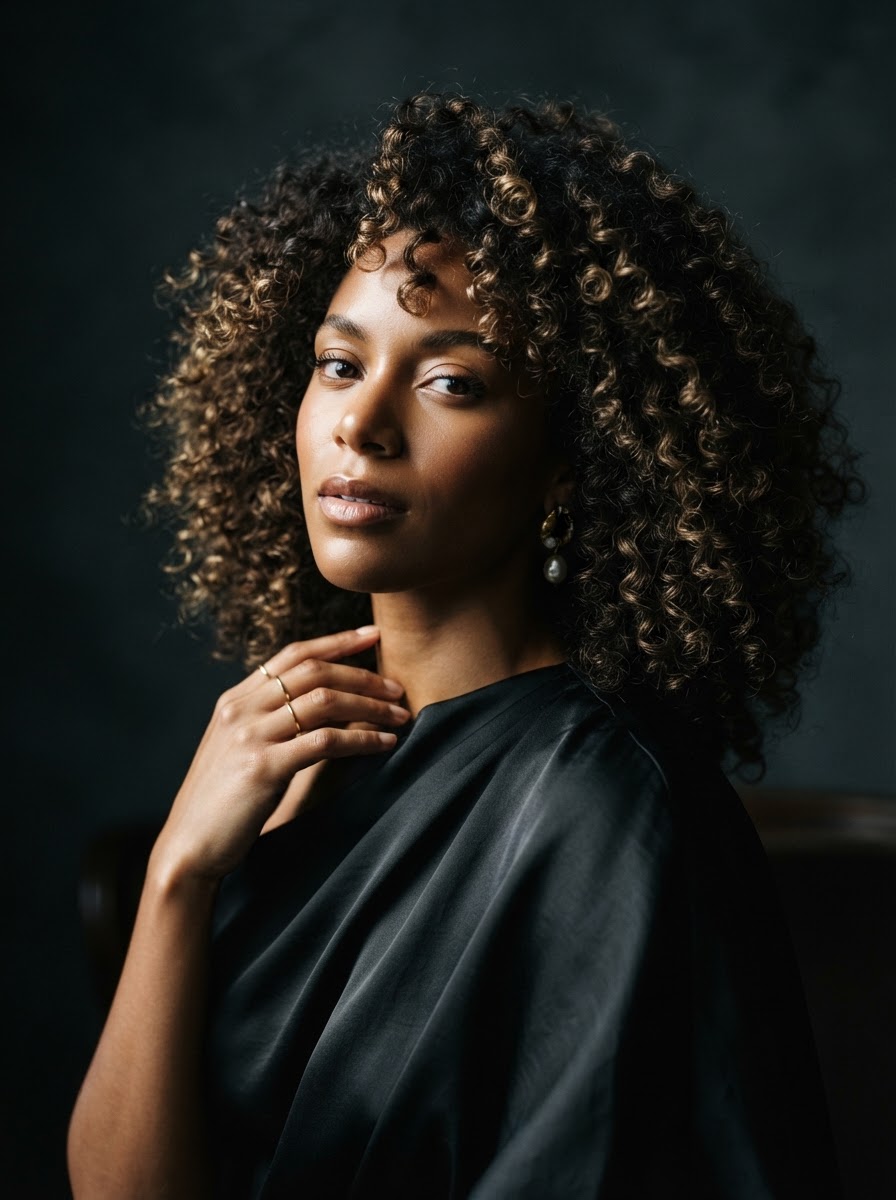
health
Hair Porosity Explained: Why It Changes Everything
Understanding your hair's porosity is the single most important step before buying any hair product or extension.
Affiliate Disclosure
Lustre & Strand is reader-supported. When you purchase through links on this page, we may earn an affiliate commission at no additional cost to you. Our recommendations are editorially independent — we never accept paid placements.
What Is Hair Porosity?
Hair porosity refers to your hair's ability to absorb and retain moisture. It's determined by the condition of your cuticle layer — the outermost protective shell of each hair strand.
Think of the cuticle like roof shingles. When the shingles lie flat and overlap tightly, water runs off — that's low porosity. When the shingles are raised or damaged, water seeps in easily but also escapes quickly — that's high porosity.
Why Porosity Matters More Than Hair Type
The beauty industry has conditioned us to think in terms of hair type — 1A through 4C on the Andre Walker scale. While texture classification has its uses, porosity is a far more reliable predictor of how your hair will respond to products, treatments, and extensions.
The Float Test
The simplest porosity test requires a glass of room-temperature water and a clean strand of hair:
- Place a single strand on the water's surface
- Wait 4 minutes
- Observe:
- Floats on top: Low porosity
- Sinks slowly to middle: Normal porosity
- Sinks immediately: High porosity
Clinical Note: This test works best with clean, product-free hair. Oils and silicones create a hydrophobic barrier that skews results.
Low Porosity Hair
Characteristics: Resistant to moisture, takes long to wet and dry, products sit on top rather than absorbing, slow to absorb color.
Best extension methods: Luxy Classic Clip-In Extensions or micro-rings. Adhesive-based methods (tape-ins, fusion) may struggle with bonding due to the sealed cuticle surface.
Care approach: Use lightweight, liquid-based products. Apply products to damp hair with gentle heat to open cuticles slightly. A quality shampoo like Pureology Hydrate Shampoo can help balance hydration levels.
Normal Porosity Hair
Characteristics: Absorbs moisture evenly, holds styles well, responds predictably to chemical treatments.
Best extension methods: Any method works well. You have the widest range of options.
Care approach: Maintain with regular deep conditioning every 2 weeks using Briogeo Don't Despair Repair Deep Conditioning Mask. Avoid excessive heat or chemical processing that could shift you toward high porosity.
High Porosity Hair
Characteristics: Absorbs water quickly but loses it fast, frizz-prone, tangles easily, may feel rough or straw-like.
Best extension methods: Bellami Silk Seam Tape-In Extensions bond exceptionally well due to increased surface texture. Sew-ins also work well with proper protective styling underneath.
Care approach: Use heavier, oil-based products and butters. The LOC (Liquid-Oil-Cream) method helps seal moisture in layers. Integrating K18 Leave-In Molecular Repair Hair Mask can help restore the cuticle structure over time.
The Bottom Line
Before you buy a single product, extension set, or wig — determine your porosity. It will save you hundreds of dollars in products that don't work and methods that don't hold.
Frequently Asked Questions
Q: What is the simplest way to determine my hair porosity?
Perform the float test by placing a clean, product-free strand of hair in a glass of water. If it floats, it is low porosity; if it sinks slowly, it is normal; if it sinks immediately, it is high porosity.
Q: Why should I prioritize porosity over hair texture types like 4C?
While texture classifies curl patterns, porosity is a more reliable predictor of how your hair will actually absorb moisture and respond to chemical treatments, extensions, and styling products.
Q: What products should I use for low porosity hair?
Use lightweight, liquid-based products and apply them to damp hair using gentle heat to help open the cuticles so the product can penetrate rather than sitting on top of the strand.
Q: Which extension methods are best for high porosity hair?
High porosity hair benefits from tape-in extensions like Bellami Silk Seam or sew-in methods, as the increased surface texture of high-porosity hair helps these bonds hold more effectively.
Q: How can I manage high porosity hair that feels dry and frizzy?
Use heavier oil-based products and butters, implement the LOC (Liquid-Oil-Cream) layering method, and use repairing masks like K18 to help restore the cuticle structure over time.
Continue Reading
Related Guides
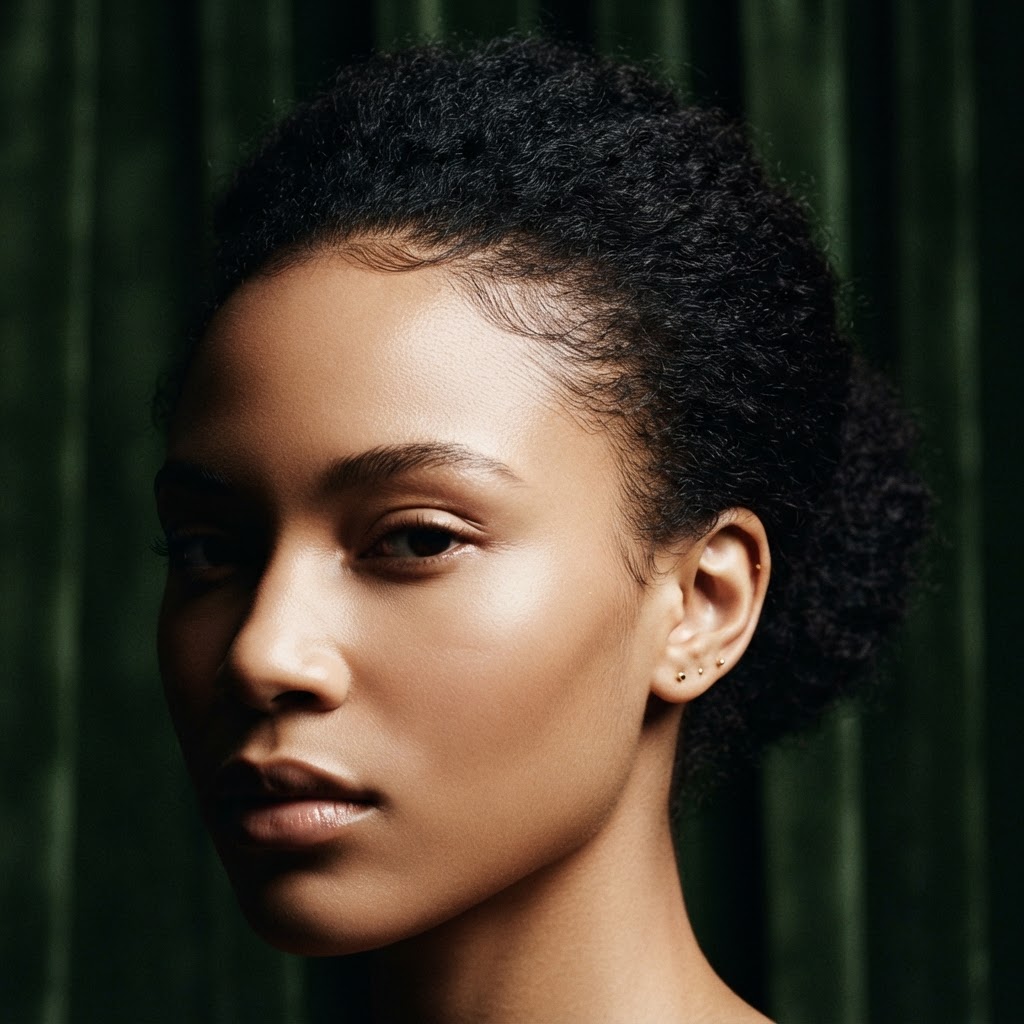
Editor-Recommended Products
Based on our research for this guide, these are the products we recommend checking out.


Affiliate links — we may earn a commission at no extra cost to you.
Special Offers
Sponsored Offer
Amazon Prime — 30-Day Free Trial
Free 2-day shipping on all your hair essentials, plus Prime Video and exclusive deals on extensions, wigs, and styling tools.
Try Prime FreeSponsored Offer
Audible — 3 Months Free
Listen to hair care audiobooks and podcasts while you style. Perfect for long styling sessions. Cancel anytime.
Get Audible FreeAs an Amazon Associate, we earn from qualifying purchases and bounty referrals.
Affiliate Disclosure
Lustre & Strand is reader-supported. When you buy through links on our site, we may earn an affiliate commission at no additional cost to you. All recommendations are editorially independent — we never accept paid product placements.