health
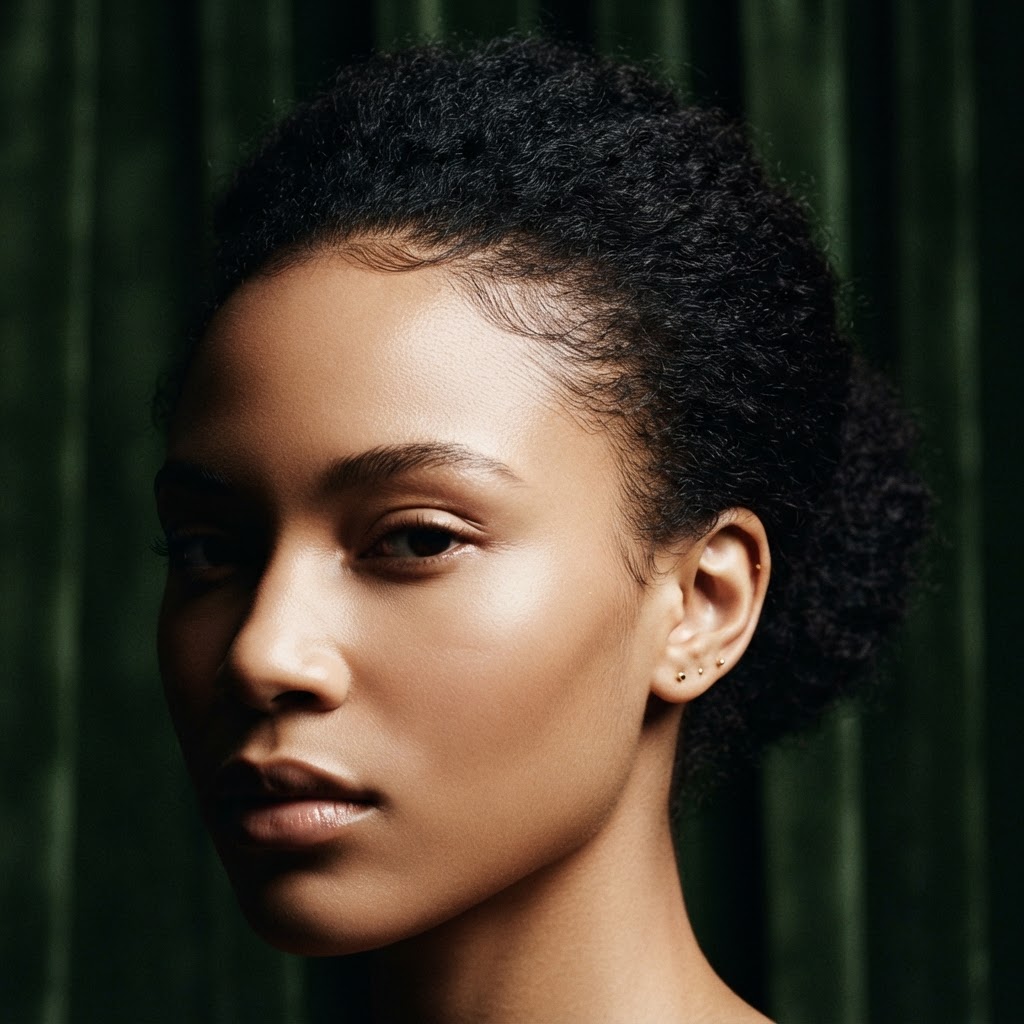
Scalp Microbiome Mastery: The 2026 Guide to Follicular Health
Discover how the delicate balance of your scalp's ecosystem dictates hair density and growth in our latest clinical deep-dive.
Affiliate Disclosure
Lustre & Strand is reader-supported. When you purchase through links on this page, we may earn an affiliate commission at no additional cost to you. Our recommendations are editorially independent — we never accept paid placements.
The Invisible Forest: Understanding Your Scalp Ecosystem
Recent dermatological research suggests that the hair follicle is not an isolated unit but a thriving metropolis of microorganisms. In 2026, we are finally moving beyond surface-level care to address the scalp microbiome—the collection of bacteria, fungi, and viruses that live on the skin's surface. When this ecosystem thrives, hair grows with optimal structural integrity. When it falls out of equilibrium, conditions like dandruff, seborrheic dermatitis, and even premature shedding emerge.
The Pillars of Scalp Health
- pH Balance: Maintaining a slightly acidic mantle (pH 4.5–5.5).
- Sebum Regulation: Feeding the beneficial microbes without encouraging overgrowth.
- Barrier Function: Ensuring the stratum corneum remains intact.
| Factor | Impact on Growth | Intervention Strategy | | :--- | :--- | :--- | | Microbiome Diversity | High | Probiotic scalp serums | | Sebum Consistency | Medium | Targeted salicylic exfoliation | | Follicle Patency | High | Mechanical massage therapy |
The Clinical Approach to Topical Nutrition
Unlike traditional hair masks that coat the cuticle, modern scalp treatments must penetrate to the hair bulb. We look for ingredients that communicate with the follicle directly. > Clinical Note: Our research shows that over-washing with sulfates strips the lipid barrier, forcing the microbiome to compensate by producing excessive, inflammatory sebum. A balanced scalp does not require daily cleansing. For those looking to nourish their scalp without harsh additives, a formula like Nioxin Hair System Kit can help restore balance.
Why Your Products Are Failing You
Most commercial shampoos prioritize lather over logic. By removing the natural oils required to feed Malassezia or Staphylococcus species in a non-pathogenic state, you induce dysbiosis. This shift often leads to chronic inflammation, which is the primary enemy of the hair growth cycle (anagen phase). If you are experiencing thinning or irritation, consider using The Ordinary Multi-Peptide Serum for Hair Density to support the follicular environment without the use of harsh surfactants.
Future-Proofing Your Roots
To restore health, you must shift your perspective. View your scalp as you would your face. It requires cleansing, exfoliating, and nourishing. Avoid harsh silicones that create an occlusive layer over the follicle, essentially suffocating the microbiome. Focus instead on plant-derived ferments and peptides designed to reinforce the cutaneous barrier. Supplements like Nutrafol Women Hair Growth Supplement can provide internal support, while topicals like Vegamour GRO Hair Serum offer the targeted nutrition your scalp needs to thrive.
Frequently Asked Questions
Q: How often should I wash my hair to maintain a healthy scalp microbiome?
Avoid daily washing with harsh sulfates, as this strips the lipid barrier and causes inflammatory sebum overproduction. A balanced scalp routine requires less frequent cleansing to allow the microbiome to thrive.
Q: What is the ideal pH for a healthy scalp?
A healthy scalp maintains an acidic mantle between pH 4.5 and 5.5 to support the natural ecosystem of microorganisms.
Q: Why do silicones negatively impact scalp health?
Silicones create an occlusive layer over the hair follicle that suffocates the scalp microbiome, potentially leading to dysbiosis and hindered hair growth.
Q: What ingredients should I look for to improve scalp barrier function?
Prioritize plant-derived ferments and peptides, which are designed to nourish the follicular environment and reinforce the cutaneous barrier without harsh surfactants.
Q: How can I tell if my scalp microbiome is out of balance?
Signs of dysbiosis include persistent dandruff, seborrheic dermatitis, chronic irritation, or premature hair shedding caused by underlying inflammation.
Continue Reading
Related Guides
Editor-Recommended Products
Based on our research for this guide, these are the products we recommend checking out.


Affiliate links — we may earn a commission at no extra cost to you.
Special Offers
Sponsored Offer
Amazon Prime — 30-Day Free Trial
Free 2-day shipping on all your hair essentials, plus Prime Video and exclusive deals on extensions, wigs, and styling tools.
Try Prime FreeSponsored Offer
Audible — 3 Months Free
Listen to hair care audiobooks and podcasts while you style. Perfect for long styling sessions. Cancel anytime.
Get Audible FreeAs an Amazon Associate, we earn from qualifying purchases and bounty referrals.
Affiliate Disclosure
Lustre & Strand is reader-supported. When you buy through links on our site, we may earn an affiliate commission at no additional cost to you. All recommendations are editorially independent — we never accept paid product placements.